Mirrorless vs DSLR: What Do You Actually Need?
Mirrorless Cameras
Smaller and lighter bodies
Electronic viewfinders
Autofocus performance
Low-light performance
Fast FPS shooting
Electronic vs mechanical shutter
New battery options
In camera cropping ability
Typically more expensive
In camera IS
DSLR Cameras
Tried and tested
Optical viewfinder
Battery life
Cheaper Used-market pricing
Availability of older professional bodies
Good AF systems
Cheap fix / replacements
What Matters for Nightclub Photography?
This is where I'd move away from simply comparing specifications.
High ISO performance
Autofocus in low light
Burst shooting
Buffer capacity
Dual card slots
Battery life
Weather sealing
Additional in camera capabilities
What Should You Spend?
Here’s three budget categories:
Entry Level — £200–£700 Camera bodies ( Used ) Good enough to start learning & great lowlight capabilities.
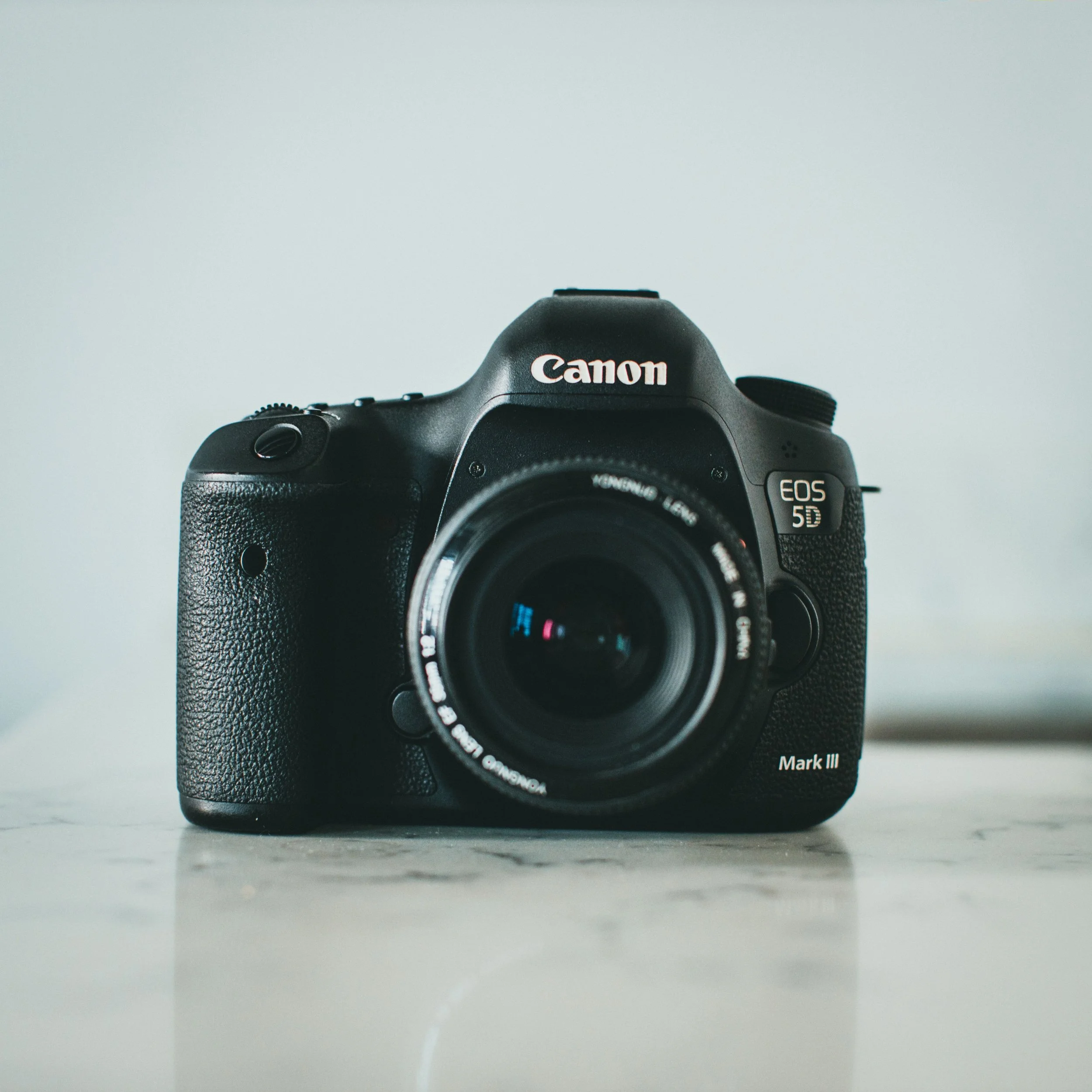
- Canon 6D Used £170 - Full frame EF system, cheap into into full frame photography with the option of new / old glass to use
- Canon 5dM4 Used £650 - Full frame EF system, newer AF system, 30MP sensor, full magnesium construction & weather sealing
Mid Range — £900 - £1400 Camera bodies ( Used )
- Canon R8 Used £900 - 24.2MP full frame sensor, small & lightweight, Dual pixel CMOS AF II focusing, Mirroless lens options
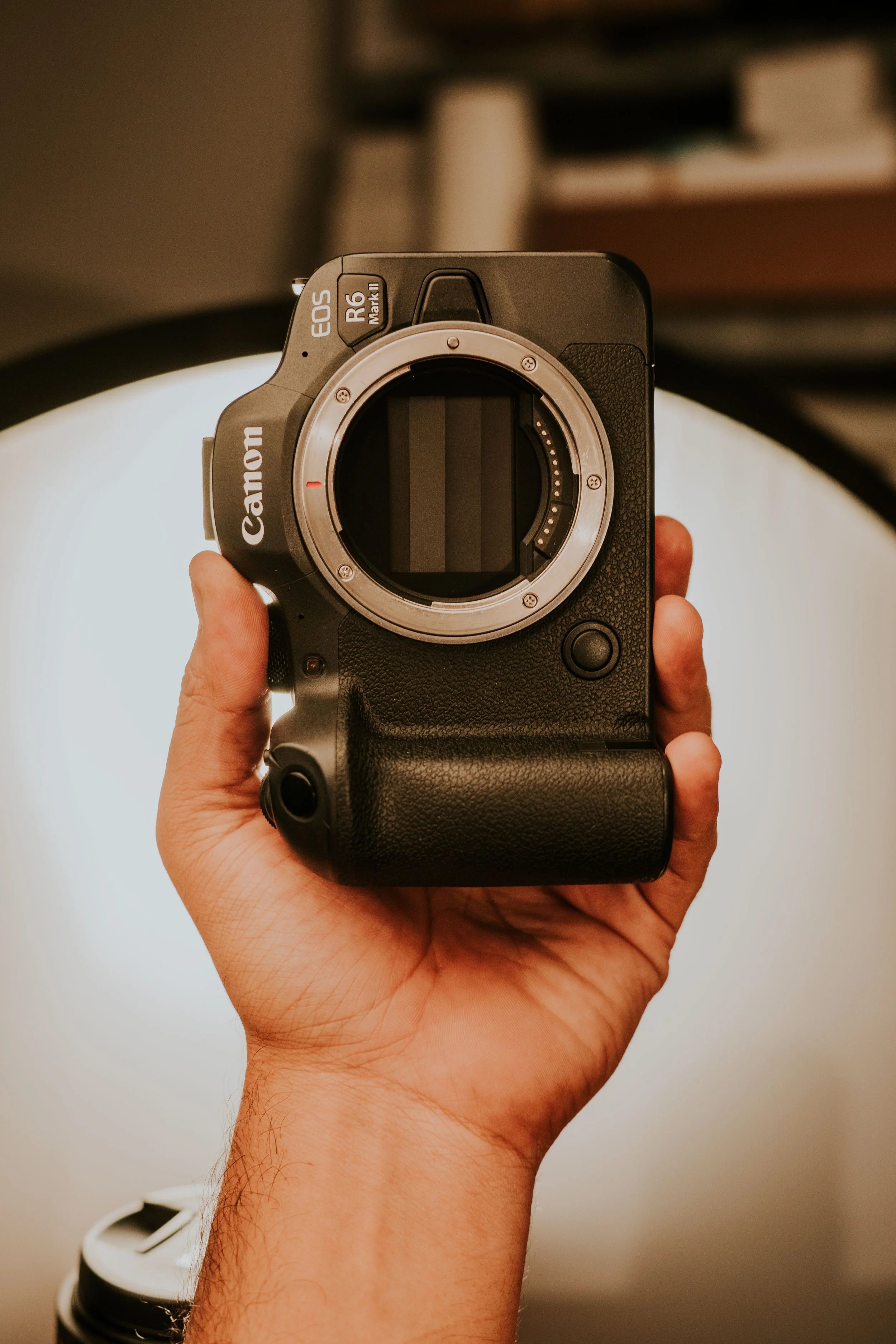
- Canon R6Mii Used £1400 - 24.2MP Full-Frame Sensor, 40 fps continuous shooting, Dual UHS-II SD card slots
A serious option for someone regularly shooting events.
Professional — £1700 - £2700 ( Used )
- Canon R6M3 Used/ NEW Grey stock £1760 - 32.5MP full frame sensor, small & lightweight, Dual pixel CMOS AF II focusing, 8.5-stop image stabilization
- Canon R5Mii Used / NEW Grey stock £2590 - 45MP Stacked CMOS sensor, Eye-controlled AF subject selection, autofocus features similar to the new flagship R1 model.
What I Use
My Camera bodies and why I’ve chosen them.
Canon R6Mii & Canon R6Mi
Back in 2020 I transitioned into the mirrorless world coming from the Canon 5dm4, it was a hell of a change ( improvement in my opinion ).
Not only was the camera body lighter, it was much faster both processing images along with burst images, the battery technology was also improved and found myself using far less batteries over the same time. I had the option to shoot Electronic First-Curtain Shutter or full electronic, both offer different pros and cons but for me I use Electronic First-Curtain Shutter, its the best of both worlds and offers some electronics followed by the physical curtain, as you may know using the electronic shutter reduces your image bit rate to 12 rather than that of 14, something that on paper seems drastic but in real world scenarios I’m not entirely sure its noticeable.
Back to the kit, After using the R6 for many years and really enjoying the new system, the R6mII was resiled, improved autofocus, slightly more megapixel sensor, better ISO performance, so I bought it but keeping the R6 as a backup. The camera is 3 years old now with over 400k on the shutter, a real work horse, I’ve decided that for long periods of time I suited an additional battery grip, giving me twice as much power with the option to shoot portrait utilising all the same back buttons rather than moving your hand to adjust.
Pros
AF usually consistent providing its setup for the correct scene, I mostly use the same tracking settings but change the focus point for different scenes, when there’s not many distractions I’ll be using a larger AF area, otherwise if the focus area is small, I’ll be using a much smaller point focus method.
The sensor in the R6Mii is 24.2mp on paper this may seem pretty average in the world of cameras given most these days break into the 35 - 65 mp bracket - often bragged about, this number is heavily relied on to measure the the sensors pixel count and therefore describe - how sharp, clear & visually appealing the image result is. Now with all the light in the world this number works it’s magic, however when it comes to darker scenes you’ll often find that lower MP cameras preform better when resolving noise. Have a read it gets quite technical, but those tiny differences sometimes add up & the results show.
Cons
Ive found the focus is really brilliant but needs fine tuning at times when lighting conditions are harsh, at times the focus will loose the subject and completely go wild, again i think its helped by fine tuning with a specific tracking profile but also using the correct metering. there have also been a few firmware bugs causing big issues whilst shooting, I’ve found that incompatible battery’s ( NON CANON ) will usually throw up faults and cause issues while shooting, sometimes making the camera power off until you change to a genuine. I don’t believe this is the model of camera causing the issues but rather Canon trying to control the market forcing you to use Canon Genuine accessories.