The Right Lens for Nightclub & Concert Photography
Depending on where you're shooting, your ideal setup could range anywhere from 14mm to 200mm, that’s for you to decide what focal lengths you need.
The really important part is the F number ( aperture ) & more can be found about this in the article.
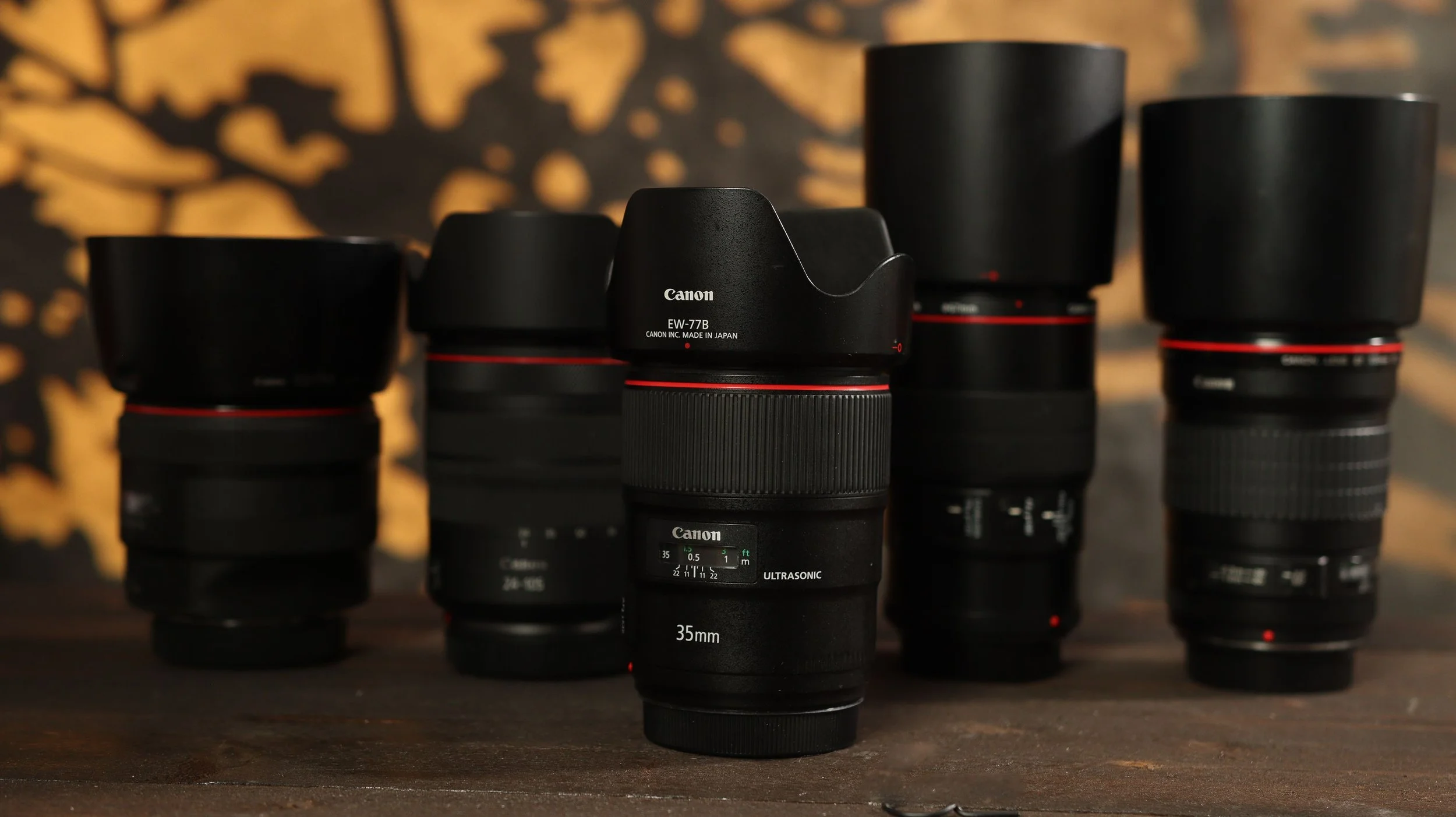
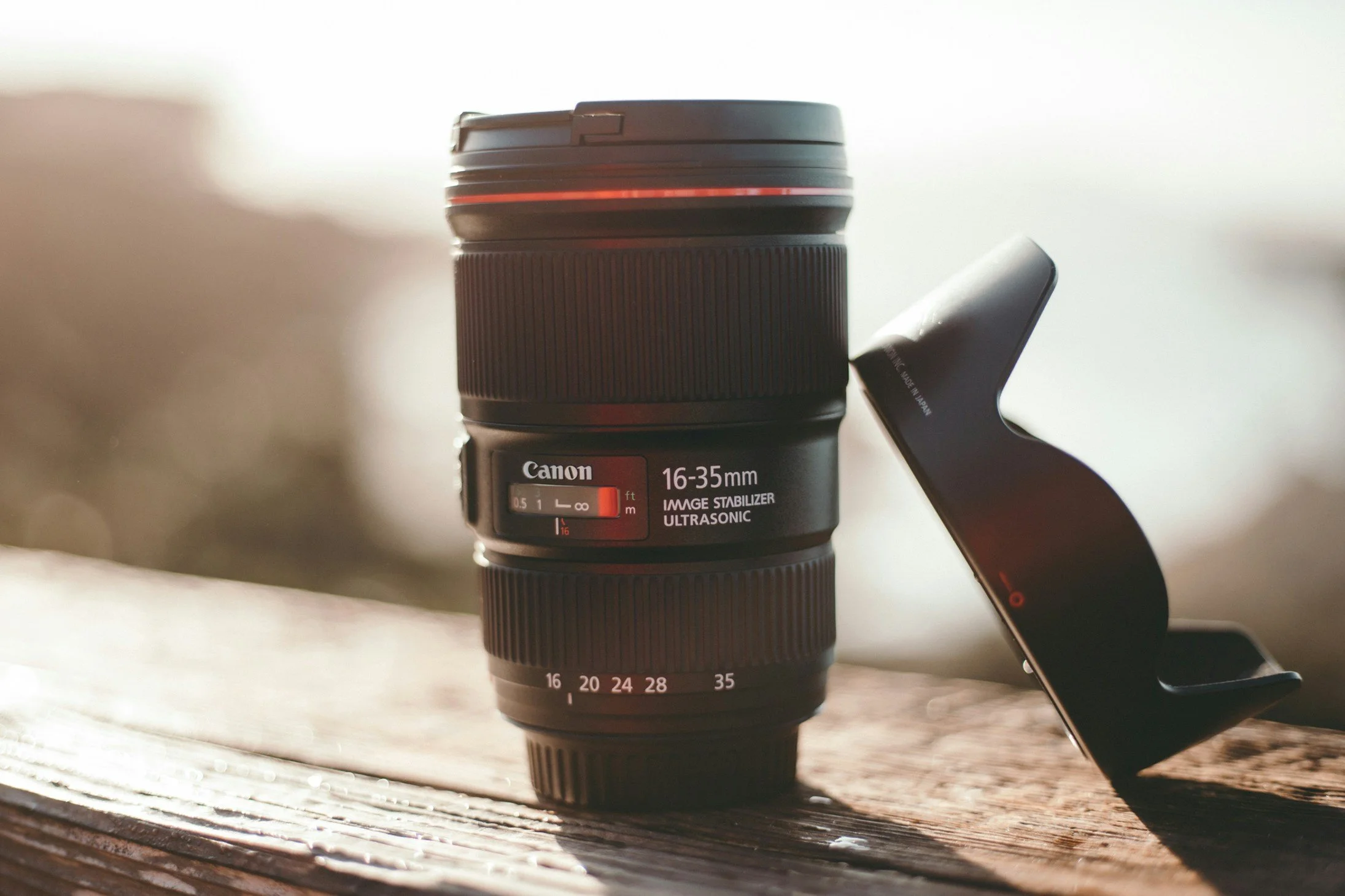
Wide Angle — 16–35mm
Perfect for:
Packed dancefloors
Small clubs
DJ booth shots
Large groups
Can combine the use of two lenses
Wide angle lenses are incredibly useful for Nightclub photography / videography, with some combining the focal range of 16mm - 35mm you get the both worlds of range in one lens. Not only do they help with tight angles ( you may be stood in a DJ booth with very little space to shoot ) you will find that the infinity of these lenses are considerably shorter, meaning distant objects are sharp sooner.
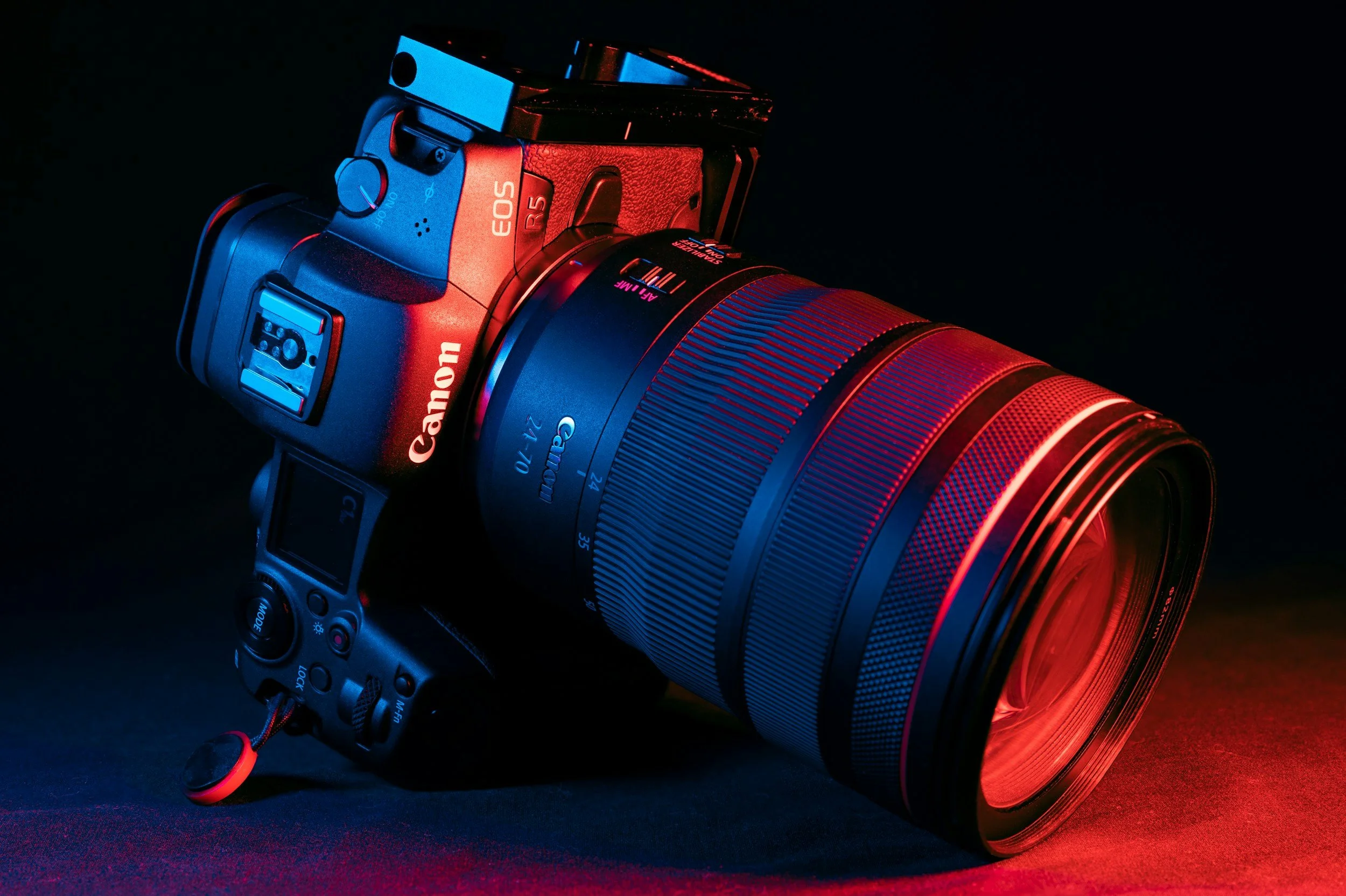
Standard Zoom — 24–70mm
I'd describe this as the workhorse, a staple lens everyone should have.
Useful for:
DJs
Groups
Dancefloors
Portraits
Event coverage
General-purpose shooting
A 24-70mm is a multi purpose workhorse, having the zoom at your hands means you can really frame for almost any image & that’s important in the music industry, the ability to shoot wide one moment & then crop in for a possible head-shot a few seconds later. Now some of these lenses come with really wide apertures, consider the Canon 28-70 F2, coming in at a whopping 95mm filter size and just under 1430 grams its a beast, the images are pin sharp and the lens is brilliant to use in low light. Some other models come with IS ( Image stabilisation ) this is beneficial in low light scenarios when you may be pushing the upper limiter on shutter & ISO and just need an extra bit to make sure a photos sharp.
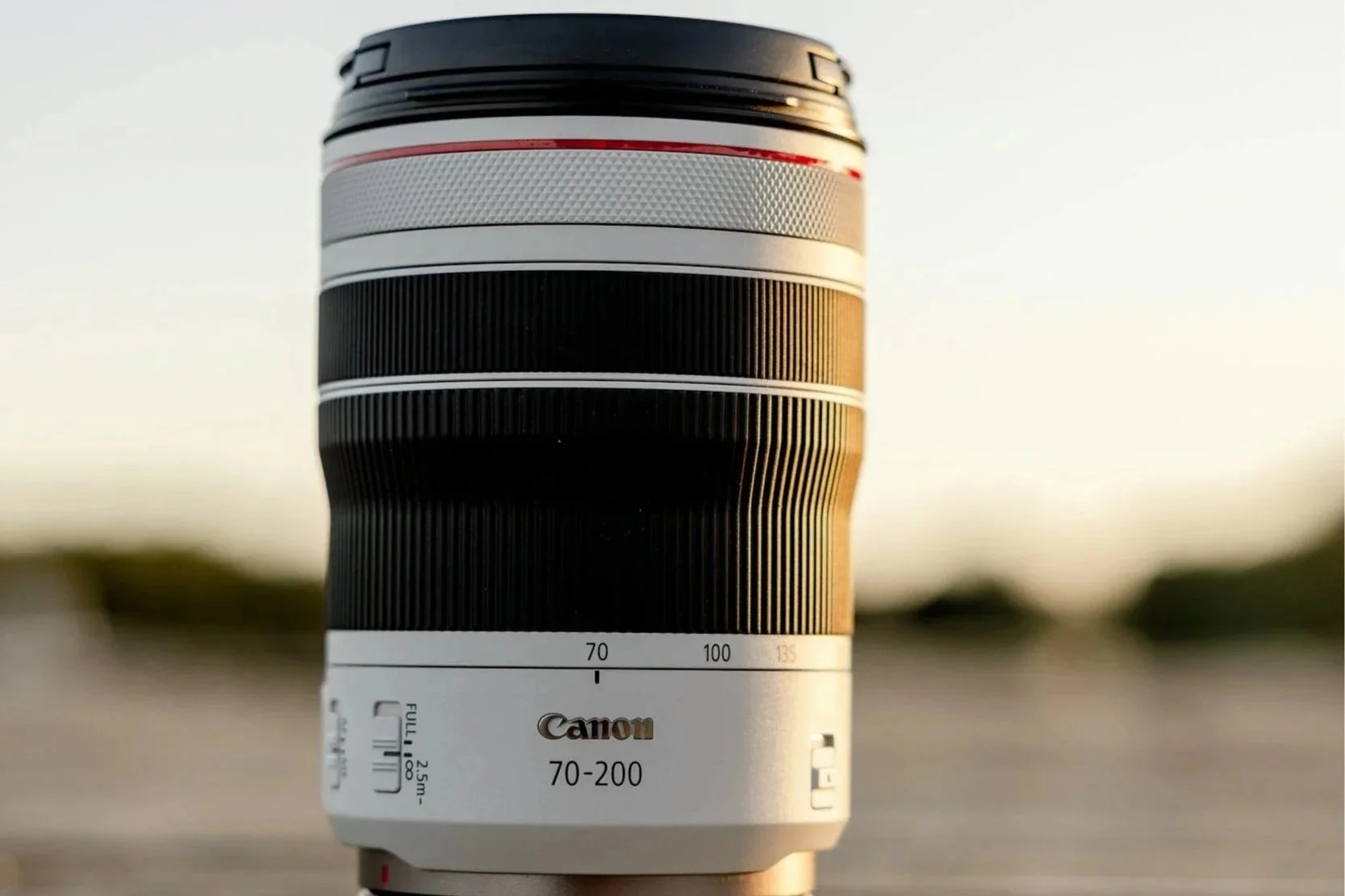
Telephoto — 70–200mm
Particularly useful for:
Concert photography
Festival stages
Large venues
Photographing artists from the crowd
Situations where you're restricted from getting close to the stage
Again the 70-200mm is a staple lens you’ll find in many nightclub photographers gear, Yes at times this lens will outlook a nightclubs space, but given the right environment you will gain a view point you couldn’t achieve without it. As mentioned above, many of the 70-200mm variant lenses comes with extra features like focus micro adjustments ( this is where you can switch the lens to focus on something outside of a zone or focus to inside of it, usually helping to keep the lens focusing on what your looking at ) they also come with IS ( image stabilisation ) again when your limited to f2.8 or higher this sometimes can mean your pushing your camera to the limited of ISO and Shutter speeds & the need of these added features helps with the mitigation of that.
Prime vs Zoom Lenses
This deserves its own section.
Prime lenses
Wider apertures
Often excellent in low light
Smaller/lighter options
Can be cheaper / Very expensive
Now this is where you can have lens after lens, Prime lenses are just insane, typically lightweight, great at focusing, and extremely good in low light
Zoom lenses
More flexible
Faster to react to changing situations
Particularly useful when you're moving between different areas of a venue
What About Aperture?
In my opinion, the MOST important factor when shooting nightclub photography is lens aperture
Why?
f/1.4 → f/2 → f/2.8 → f/4→ f/5.6→ f/8
Looking at the aperture variations above is a great way to understand how much of a difference aperture makes, jumping from F1.4 to F2 gives you TWICE as much light hitting the sensor, & this pattern continues going up the aperture range.
What does this mean in terms of ‘Nightclub photography’
Well think about this, you enter a club with very little ambient light, maybe you haven’t got an on camera flash either, your left with your camera and lens, the lens you have is 24-70 with a min aperture of F4, ISO set at 8000, your unable to have a fast shutter speed because you have very little light hitting the sensor. Now consider the same scenario but you have a F1.4 lens, you now have 8 TIMES as much light hitting the sensor, your able to have a shutter speed just fast enough that subjects are sharp. Not only is this a great benefit, you also have extremely shallow depth of field, you may have seen images that look beautifully out of focus with the subject crisp sharp & that’s how its achieved.
The main take away is that it's about getting enough light onto the sensor while maintaining a usable shutter speed.
What I Use
Lets start off with my lens selection & I’ll explain why I’ve decided to use it & some use cases.
Canon EF 24mm f1.4 II - Given this lens is about 18 years old! its absolutely still insane, the really low aperture means if i turn up to dingy nightclub with little to low light, i have the best chance of getting something useable with this lens. Its lightweight and really balanced when combined with the EF- RF adaptor, I find it really versatile in most club scenes, close up DJ booth shots and then wide possible standing at the back of the club, you kinda can do it all with this lens.
Canon RF 28-70mm f2 - MY FAVOURITE, But be warned you need to be used to carrying this beast as its not light, Coming in at 1430 grams you’ll feel it after a day of full use. However for me i always found F2.8 very limited in Nightclubs or events meaning I couldn’t use my 24-70 & id be swapping between all my low aperture lenses, missing out on shots ect. Given this lens is F2 it means that at 8000 iso you can get some impressive, sharp shots, something I couldn’t achieve that often with f2.8, combine the focal range with some newer camera features ( 1.6x crop ) you can gain a little range ( 44mm - 112mm ) thus aiding with shots further away.
Canon RF 50mm f1.8 - Wow the ‘Nifty fifty’ for those new to photography or unaware of Canon, back in the early EF days canon had a EF 50mm f 1.8 lens, - I think even at RRP it was around the £125 mark, mostly plastic, but insanely good at that price point, optics were incredible and the low light capabilities were great. Mine however is the RF version meaning it mounts to my mirror-less camera directly rather than using a converter, Properly not much difference other than autofocus improvements but otherwise i love this lens, extremely light and sharp, lovely for head shots & if you increase the f stop it becomes really sharp ( f5.6 - 9 ). Normally I’m using this when the DJ booth is a little further away so i can frame a DJ head shot, I’ll also use it for crowd shots when there’s maybe a lot of people to shoot through and you want to isolate a subject.
Sigma EF 14mm f1.8 - Quite a rare sight matched with the Canon EF, you see many super wides on Sony’s but it took me a while to find this one. At first I rarely used this lens, its got a niche market when shooting with quite a lot of distortion on the outer edges, but with many wide angles you don’t find them having such a large aperture of F1.8. When looking at the front element its extremely bulbous, the take away is you must be extremely careful ( I’m a bit of a perfectionist with my kit and get anxiety when thinking about scratching the front element ( as its bulbous there’s no way to install a filter ) Anyway the performance : When shooting a stadium or concert, its relatively sharp, but the FOV really shines, you can really get a great prospective and I usually combine this lens with a mono-pod in the air above everyone.
Canon EF 85mm f1.4 IS - As far as prime lens’s go for, this is one of my favourites, very sharp at f1.4, combine that with IS ( image stabilisation ) this thing is incredible in low light, I’ll usually use this when shooting far back using the narrow depth of field to give that amazing blur effect but keeping the subject sharp in focus. Another reason to like this lens is its weight, made mostly from plastic its very light at 941 grams, when coming from the 28-70 this thing feels like a feather. But most importantly the price, I got mine used ( like new ) a few years back for £650, now 3 years old & still working superbly.